Peak wash demand
Meal periods, place settings, cookware, sheet pans, racks per hour, and turnaround time.
 Oil FieldLogistics & Equipment Rentals USACall our team, 24/7800-205-6106
Restore critical warewashing capacity without slowing meal service. Call 24/7 for nationwide emergency commercial dishwashing trailers for rent across the USA, including planning for low-temperature, high-temperature, conveyor, flight-type, sink, hot-water, and wastewater needs.
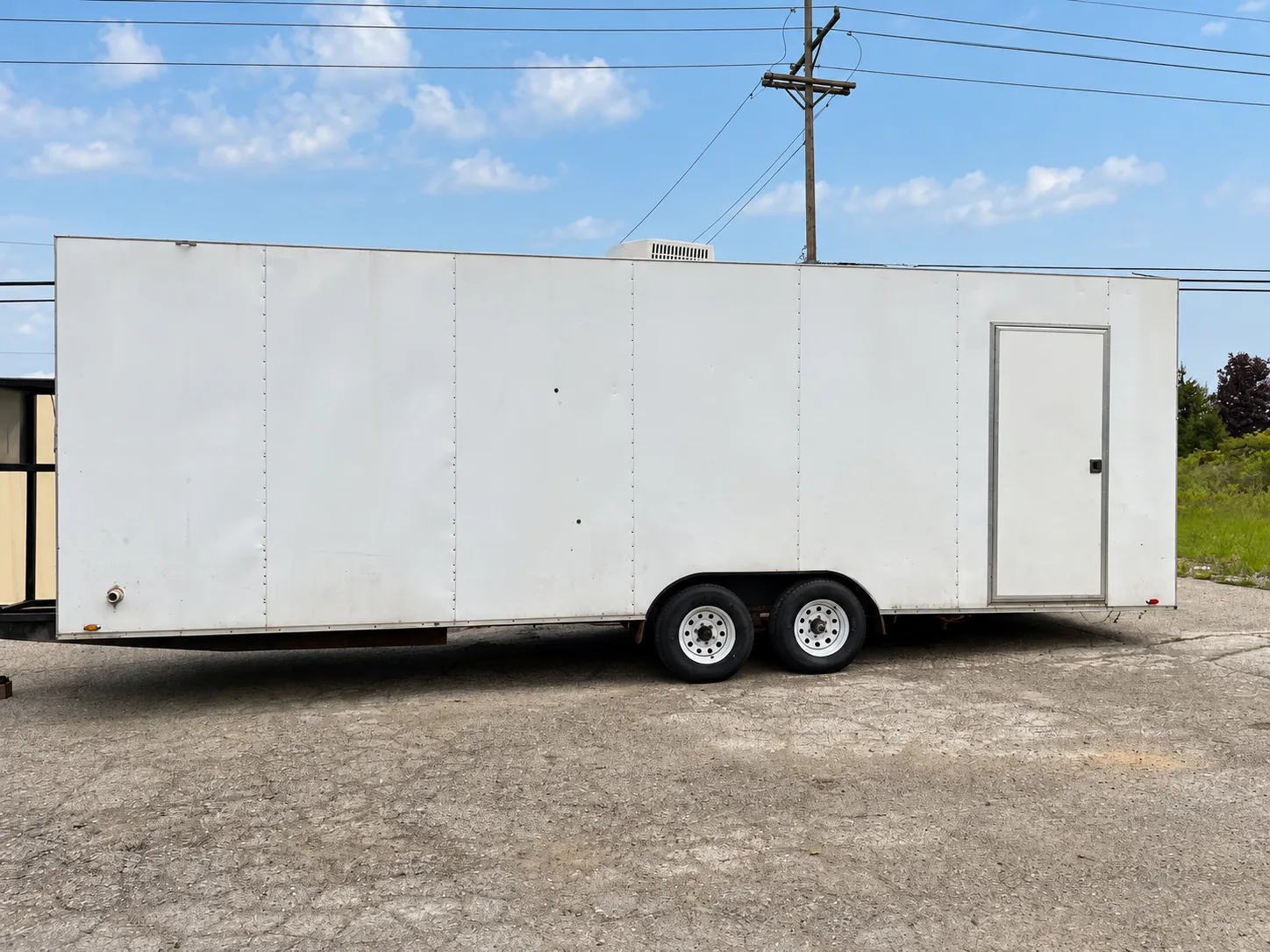
Restore critical warewashing capacity without slowing meal service. Call 24/7 for nationwide emergency commercial dishwashing trailers for rent across the USA, including planning for low-temperature, high-temperature, conveyor, flight-type, sink, hot-water, and wastewater needs.
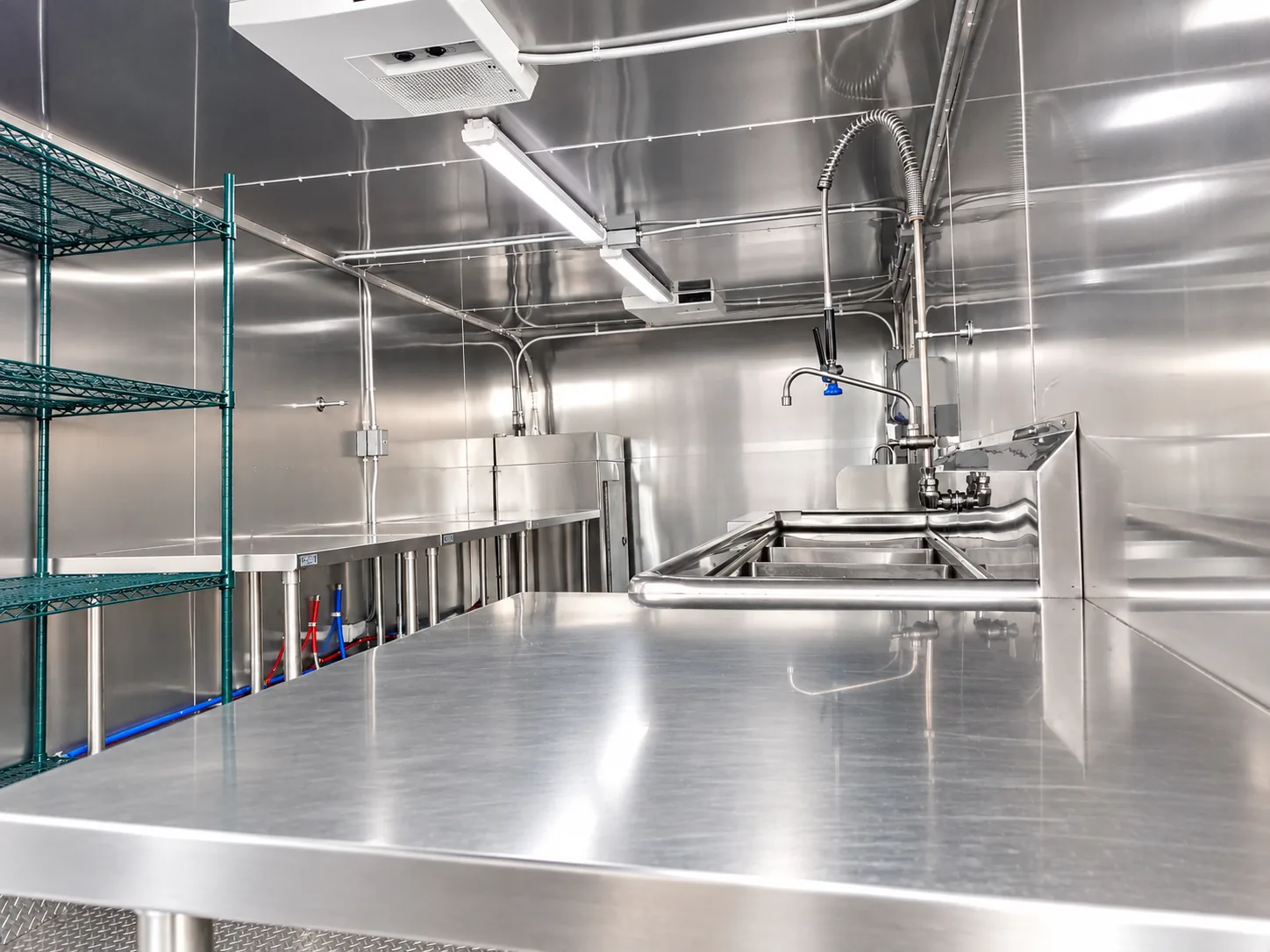
A dishwashing trailer separates soiled return, washing, rinsing, sanitizing, drying, and clean-item storage from the main production kitchen. Planning should account for peak rack volume, water temperature, chemicals, ventilation, staffing, and the route between dining, kitchen, and warewashing areas.
Representative photography is provided for planning context. The specific unit, dimensions, equipment, connections, accessibility, condition, availability, transport, setup, and service responsibilities must be confirmed in the project proposal.
Use these exterior and interior views to discuss workflow, access, utilities, placement, and the configuration to confirm for your project.
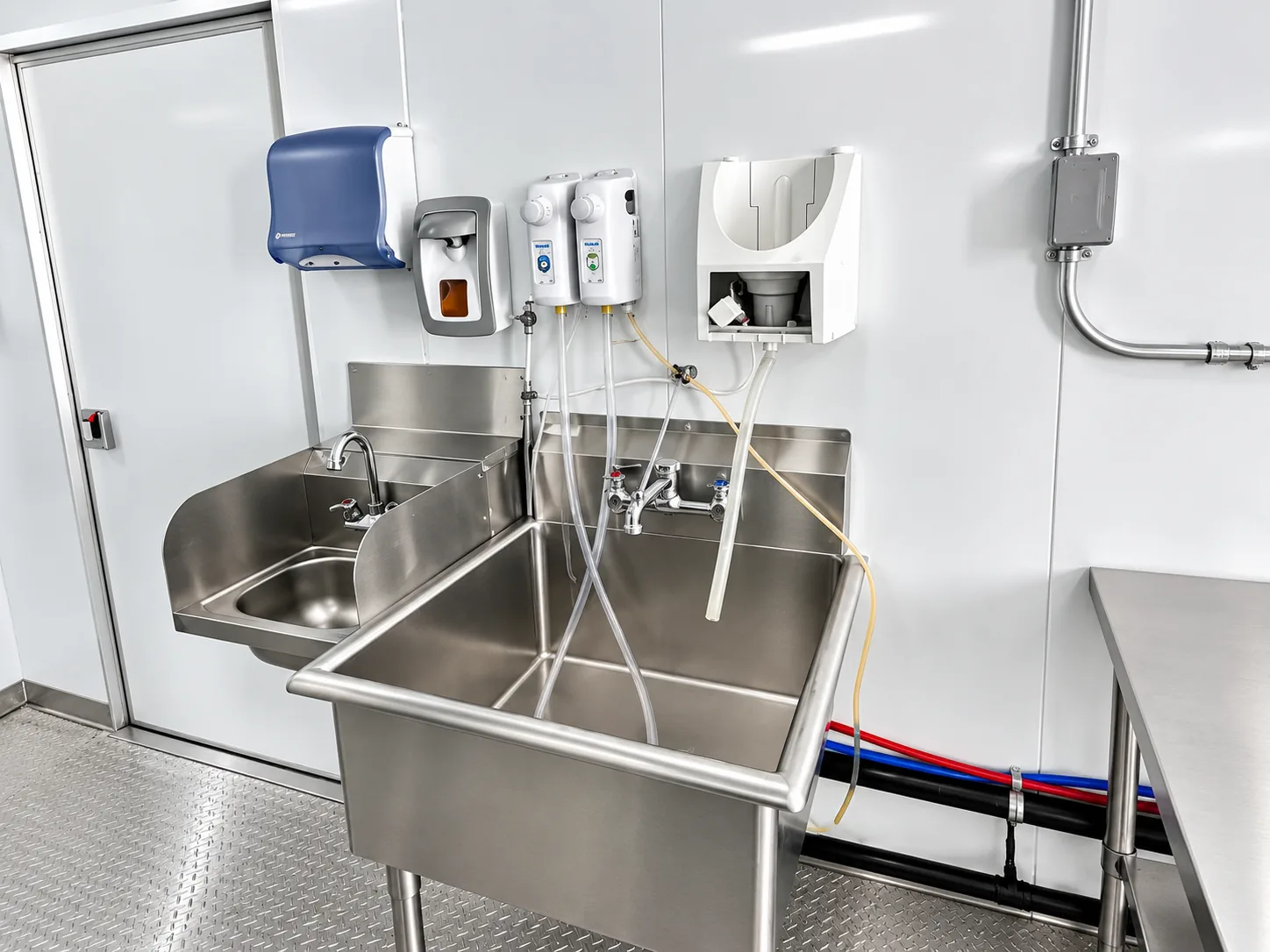
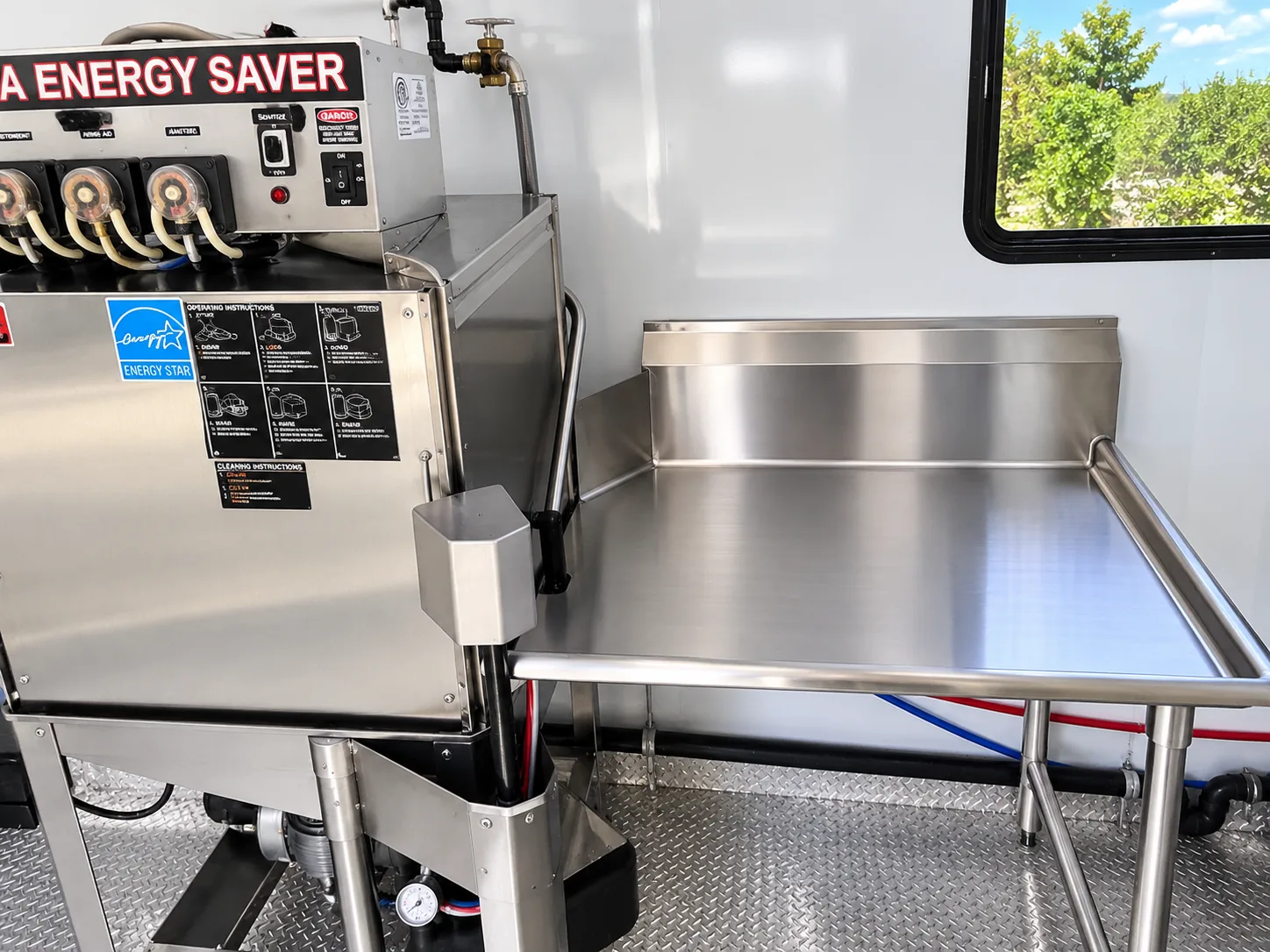
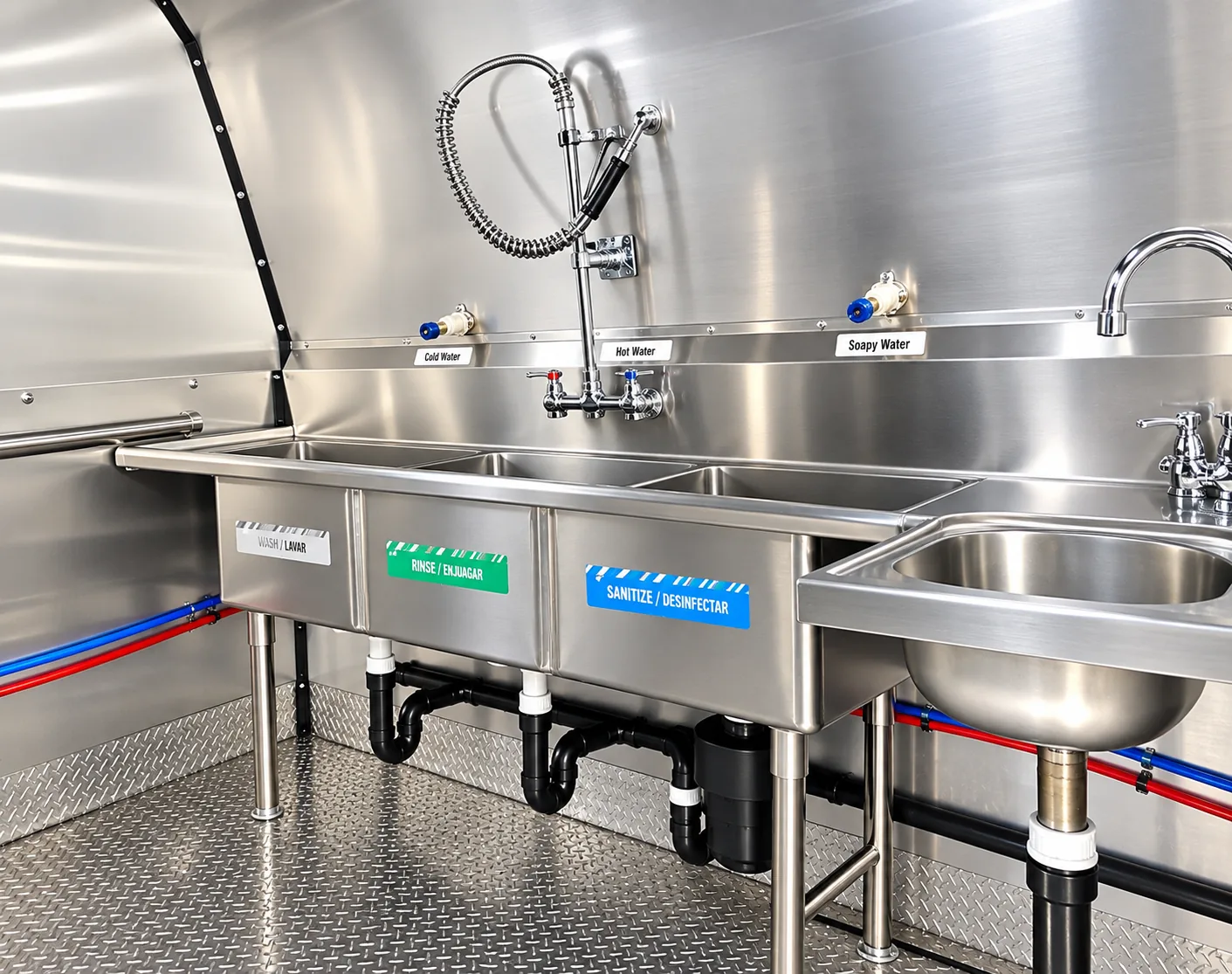
A complete brief helps the project desk compare suitable configurations and identify site-readiness questions before mobilization.
Meal periods, place settings, cookware, sheet pans, racks per hour, and turnaround time.
Machine type, pre-rinse, three-compartment sinks, handwashing, tables, and drying space.
Potable-water connection, pressure, flow, hot-water recovery, hose routing, and freeze protection.
Drain location, holding capacity, grease and solids control, pumping, and disposal responsibility.
Separate receiving and exit routes so washed items do not cross the soiled return path.
Chemicals, test methods, ventilation, lighting, cleaning, maintenance, and trained staff.
Call with the site, schedule, workforce, utilities, and known constraints. The team can use those facts to organize the next review.
No. Photography represents the equipment category. Request written confirmation of the selected unit, layout, specifications, included equipment, condition, and utility requirements.
Share the delivery address or coordinates, operating dates, users or workload, access route, placement area, utilities, drainage, service restrictions, and an authorized site contact.
No. Availability and workable capacity depend on the actual unit, operating assumptions, location, site readiness, transport, and schedule. These are confirmed during project review.
Tell us where, when, and what your team needs. We will help organize the next planning step.
800-205-6106 ↗Call our team, 24 hours a day.