Meal-demand planning
Estimate people per meal period, meals per day, service windows, shift overlap, peak throughput, and project duration.
 Oil FieldLogistics & Equipment Rentals USACall our team, 24/7800-205-6106
Keep commercial food service operating with temporary and emergency kitchen trailers for rent nationwide across the USA. Call 24/7 to plan cooking equipment, meal volume, staff flow, refrigeration, dishwashing, delivery access, power, water, wastewater, and rental duration.
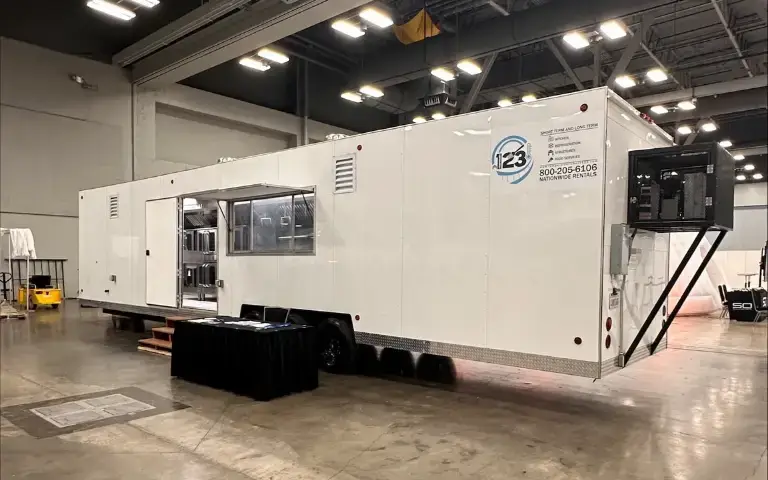
Keep commercial food service operating with temporary and emergency kitchen trailers for rent nationwide across the USA. Call 24/7 to plan cooking equipment, meal volume, staff flow, refrigeration, dishwashing, delivery access, power, water, wastewater, and rental duration.
A portable kitchen is more than a cooking space. The facility must support receiving, storage, preparation, cooking, service, warewashing, waste handling, staff circulation, and food-safety practices within the limits of the selected unit and the host site.
A useful rental brief begins with meal volume and menu style, then works backward through equipment, cold and dry storage, staffing, operating hours, utility loads, water and wastewater, delivery access, and local approval requirements. The final configuration and included equipment must be confirmed for the specific project.
Use these topics to prepare a more complete conversation with the project desk.
Estimate people per meal period, meals per day, service windows, shift overlap, peak throughput, and project duration.
Review receiving, storage, prep, cook, holding, service, dishwashing, waste, and staff routes to reduce cross-traffic.
List cooking, refrigeration, freezer, prep, holding, warewashing, ventilation, and small-equipment needs for confirmation.
Document electrical service, generator strategy, cooking fuel, exhaust clearances, make-up air, and connection responsibility.
Confirm potable-water source, hot-water demand, grease management, drainage, wastewater storage or connection, and service frequency.
Review jurisdictional approvals, handwashing, sanitation, pest controls, fire safety, weather protection, lighting, and safe access.
Each step narrows uncertainty before equipment, timing, and responsibilities are finalized.
Size depends on peak meal volume, menu complexity, production method, storage, service windows, staffing, warewashing, and available utilities. A confirmed equipment plan is required before relying on capacity.
Inclusions vary by unit. Request a written equipment schedule covering cooking appliances, ventilation, refrigeration, freezer space, prep surfaces, sinks, warewashing, and utility ratings.
Responsibility varies by project and jurisdiction. Identify the operator and responsible contracting party early, then confirm permit, inspection, fire-safety, and food-service obligations with the applicable authorities.
Tell us where, when, and what your team needs. We will help organize the next planning step.
800-205-6106 ↗Call our team, 24 hours a day.